By Fotify
Como Ajudar os Solteiros a Se Conhecerem em Casamentos (Sem Encontros Forçados)
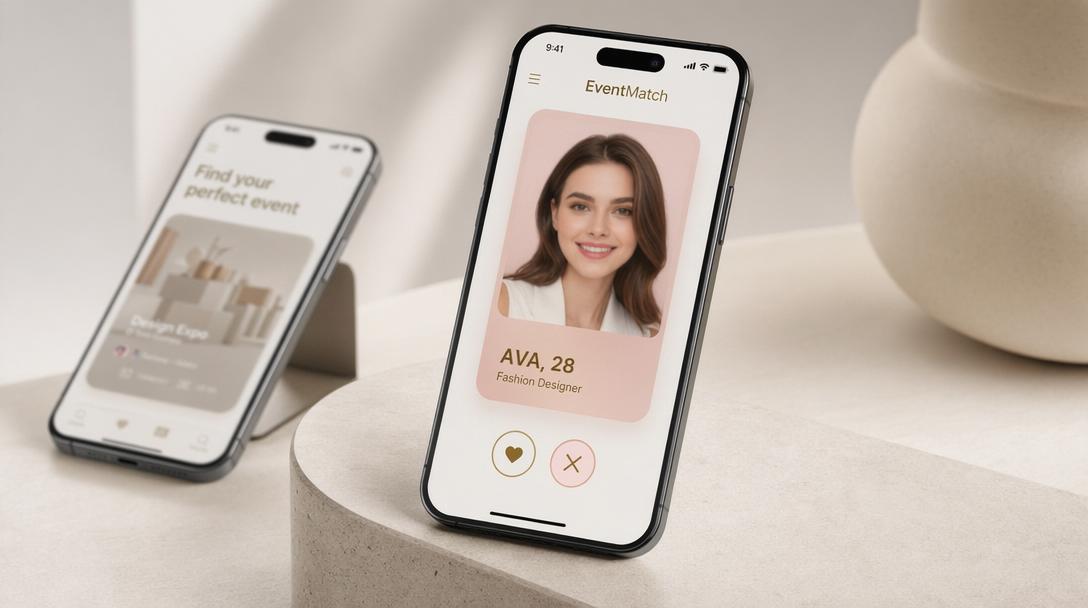
Todo casamento tem eles. O primo que veio de Chicago sozinho. A amiga da faculdade que acabou de terminar com o acompanhante. O colega de trabalho do noivo que não conhece nenhum outro convidado. Para os convidados solteiros, um casamento pode ser um dos melhores lugares possíveis para conhecer alguém — ou um dos momentos em que você mais se sente perdido.
Os noivos geralmente querem ajudar. Mas as ferramentas tradicionais são ruins. A mesa dos solteiros é notoriamente odiada. Apresentações forçadas por pais bem-intencionados soam constrangedoras. Brincadeiras como "passe a rosa" estão mortas há uma década. E a maioria dos noivos, já exaustos com o mapa de mesas e a coordenação de fornecedores, acaba não fazendo nada — o que deixa os convidados solteiros passando a recepção em uma mesa com pessoas que nunca mais vão ver.
Em 2026, existe uma resposta muito melhor. Aqui está o manual moderno completo para ajudar os solteiros a se conhecerem no seu casamento — sem nenhum encontro forçado.
Por Que os Convidados Solteiros Merecem um Plano
Dois terços dos adultos americanos são solteiros em algum momento entre os 20 e os 30 anos. Em um casamento típico, de 20% a 35% da lista de convidados está desacompanhada. Ignorá-los não é apenas má hospitalidade — é uma oportunidade enorme desperdiçada. Todo casamento é uma sala calorosa cheia de convidados de confiança, pré-filtrados por duas pessoas que os conhecem bem. Não existe um pool de matchmaking melhor no planeta.
O problema nunca foi o pool de pessoas. O problema sempre foi o mecanismo. Como você ajuda a Sara, do clube do livro da noiva, a conhecer o David, do time de futebol do noivo, sem deixar nenhum dos dois desconfortável? Como fazer isso para 15 a 50 convidados solteiros ao mesmo tempo? Como evitar tanto o clichê da "mesa dos solteiros" quanto a sensação de "todo mundo está olhando para eles"?
A resposta em 2026: um aplicativo de matchmaking para eventos funcionando discretamente em segundo plano. Ele deixa os convidados participarem por vontade própria, se descobrirem em privado e só trocarem informações de contato quando há interesse mútuo.
As Cinco Opções Que os Noivos Realmente Consideram
Antes de chegarmos à abordagem recomendada, aqui estão as opções que a maioria dos noivos avalia — e o que realmente funciona.
Opção 1: A Mesa dos Solteiros
O que é: sentar todos os convidados solteiros juntos em uma mesa.
Por que não funciona: rotula os convidados publicamente. Muitas vezes coloca pessoas que não têm nada em comum além do estado civil sentadas juntas. É visto como paternalista e é alvo de críticas do setor de casamentos há mais de 20 anos.
Veredito: não faça isso. Até mesas de solteiros "temáticas" ("Solteiros Divertidos") soam como uma armação.
Opção 2: Lugares Mistos com Posicionamento Estratégico
O que é: distribuir os solteiros entre várias mesas com companheiros de mesa estratégicos — o amigo de uma prima ao lado de alguém bom de conversa, um padrinho solteiro ao lado da amiga solteira de uma madrinha.
Por que funciona parcialmente: evita o estigma da mesa dos solteiros e dá aos convidados solteiros algo em comum com quem está ao lado deles.
Por que não é suficiente: um único "bom companheiro de mesa" não substitui uma sala cheia de conexões em potencial. E a maioria dos noivos não conhece a própria lista de convidados a fundo o suficiente para fazer essas escolhas em escala.
Veredito: uma boa base. Não é uma solução completa.
Opção 3: Brincadeiras de Casamento Organizadas
O que é: bingo, caças ao tesouro fotográficas, perguntas e respostas, quebra-gelos do tipo "encontre alguém que...".
Por que funciona parcialmente: dá aos convidados solteiros um pretexto para conversar com desconhecidos. Boas brincadeiras de casamento continuam sendo uma ótima forma de engajar os convidados.
Por que não é suficiente: as brincadeiras terminam. E o tipo de conversa que gera conexões de verdade acontece nos intervalos, não durante atividades organizadas.
Veredito: vale a pena fazer para o engajamento geral. Não substitui uma camada real de matchmaking.
Opção 4: Contratar um Cupido ou Anfitrião
O que é: um cupido profissional ou mestre de cerimônias que circula pela festa, apresenta os solteiros uns aos outros e facilita as conversas.
Por que funciona: os bons são excelentes.
Por que raramente acontece: é caro (de US$ 1.500 a US$ 5.000 pela noite), difícil de encontrar, e muitos noivos acham estranho contratar um cupido para o próprio casamento.
Veredito: opção de nicho para noivos com orçamento e um clima específico em mente.
Opção 5: Um Aplicativo de Matchmaking para Casamentos
O que é: um aplicativo de matchmaking para eventos em que os convidados criam um perfil curto e deslizam pelos outros participantes. As informações de contato só são reveladas em caso de interesse mútuo.
Por que funciona:
- Opt-in por natureza — os convidados que não querem participar simplesmente ignoram
- Privado — os perfis só ficam visíveis para outros convidados, e os matches só ficam visíveis para as duas pessoas envolvidas
- Revelação de contato por consentimento mútuo — os perfis sociais (Instagram, WhatsApp) só aparecem quando as duas pessoas dizem sim
- Sem imposição, sem constrangimento — os noivos anunciam uma vez e deixam os convidados descobrirem por conta própria
- Funciona além dos solteiros — convidados que querem ampliar o círculo de amizades também se beneficiam
Veredito: a melhor opção disponível em 2026. Veja o caso completo abaixo.
Por Que um Aplicativo de Matchmaking para Eventos É a Resposta Moderna
A ideia é simples. Um casamento é um pool de matchmaking perfeito, mas um ambiente de matchmaking péssimo. As regras sociais de um casamento — você está com seu par, com a família, com colegas de trabalho — fazem com que abordagens do zero pareçam arriscadas. Todo convidado solteiro já teve a experiência de notar alguém interessante do outro lado da sala e não fazer nada a respeito.
Uma camada de matching estilo Tinder corrige o ambiente sem mudar as regras sociais. Os convidados que querem participar criam um perfil curto — 3 fotos, uma bio, 5 interesses, pelo menos um perfil social. Eles deslizam pelos outros participantes em privado. Quando dois convidados deslizam "sim" mutuamente, os perfis de Instagram, WhatsApp ou LinkedIn são revelados para ambos simultaneamente.
O que acontece na prática:
- Um convidado solteiro, sentado à mesa, percebe outro convidado solteiro quatro mesas adiante e desliza para "sim"
- Se for mútuo, os dois recebem uma notificação de "é um match", com os perfis revelados
- Eles podem então se aproximar pessoalmente, trocar mensagens pelo resto da noite ou continuar o contato depois do casamento
- Se não houver interesse mútuo, nada de constrangedor acontece — nenhuma das duas pessoas fica sabendo
É essa dinâmica que faz tudo funcionar. O design com privacidade em primeiro lugar elimina qualquer forma de risco social. É por isso que os aplicativos de matchmaking para casamentos se espalharam mais rápido do que qualquer solução tradicional jamais conseguiu.
Como Configurar na Prática
Se você é um dos noivos planejando o casamento e quer adicionar uma camada de matchmaking, o processo é simples:
1. Escolha um aplicativo de matchmaking para eventos
Existem algumas opções a considerar — comparamos todas em detalhes no nosso guia dos melhores aplicativos de networking para eventos em 2026. Resumindo: ferramentas empresariais como Brella ou Swapcard são feitas para conferências e custam milhares de dólares por evento. Aplicativos dedicados de speed dating, como o SpeedMatchApp, exigem assinatura mensal.
Para casamentos especificamente, a melhor opção é o Fotify Match & Connect. Custa US$ 19,99 por evento, funciona em qualquer navegador móvel sem download, e se integra ao mesmo evento Fotify que você já está usando para fotos, RSVPs e pedidos de músicas para o DJ. Os convidados usam um único link para a recepção inteira.
2. Adicione o Match & Connect ao seu evento Fotify
Crie seu evento de casamento na Fotify, adicione o Match & Connect como complemento e ative-o quando começar a hora do coquetel. Você pode pré-ativá-lo nas semanas anteriores ao casamento, caso queira que os convidados criem os perfis com antecedência — muitos fazem isso.
3. Crie uma URL curta personalizada
Em vez de compartilhar a URL longa do evento, crie um link curto personalizado como fotify.app/mc/SARA-E-DAVID. Imprima-o no cardápio do coquetel, exiba-o no painel de boas-vindas ou inclua-o no programa da cerimônia.
4. Decida se quer o modo somente por convite
Se você carregou uma lista de RSVP na Fotify, todos os convidados confirmados são automaticamente aprovados ao criar um perfil. Você também pode carregar separadamente um CSV de e-mails pré-aprovados, ou criar códigos de acesso para os padrinhos e madrinhas. O modo somente por convite impede que qualquer pessoa fora da sua lista de convidados crie um perfil, o que é essencial para a privacidade em um casamento.
5. Anuncie uma vez e deixe funcionar
Um único anúncio é tudo o que você precisa. O mestre de cerimônias ou os próprios noivos podem dizer algo como:
"Para quem estiver solteiro e quiser conhecer outros convidados solteiros esta noite, criamos um recurso de matching privado só para o casamento. O link está no verso do seu cartão de lugar. É totalmente privado — só você vê com quem deu match, e as informações de contato só são compartilhadas se as duas pessoas disserem sim. Sem pressão, é só por diversão."
E pronto. Os convidados que quiserem participar vão participar. Os que não quiserem vão simplesmente ignorar. Não há mesa dos solteiros, não há pareamento constrangedor, não há aquele "deixa eu te apresentar" de uma tia bem-intencionada.
O Que Dizer (e Não Dizer) no Anúncio
Acertar o anúncio importa. Um anúncio mal feito faz os convidados solteiros se sentirem visados; um bom anúncio soa como uma atividade opcional e descontraída.
Diga:
- "Para quem quiser conhecer outros convidados…"
- "É totalmente privado e opcional"
- "O link está no seu cartão de lugar" (ou no cardápio, ou no programa)
- "Funciona no seu celular — sem precisar baixar aplicativo"
Não diga:
- "Para os nossos amigos solteiros…" (visa publicamente um subgrupo)
- "A gente pensou na mesa dos solteiros, mas resolveu modernizar…"
- "Tia Marta, você principalmente deveria usar isso" (por favor, não)
- "Os matches serão anunciados depois!" (destrói o modelo de privacidade)
O ponto principal é que os convidados que querem participar participam, e mais ninguém sequer fica sabendo quem está ou não usando o aplicativo.
E os Convidados Que Não São Solteiros?
É aqui que o aplicativo fica ainda melhor. Um app de matchmaking que só funcionasse para conexões românticas seria limitado. Aplicativos modernos como o Match & Connect também funcionam para conexões de amizade, networking profissional e simplesmente misturar os círculos de amizade da noiva e do noivo.
Um convidado casado ainda pode criar um perfil dizendo "estou aqui para fazer amigos, aqui está meu Instagram" e dar match com outros convidados na mesma base. Uma tia solteira pode dar match com um tio solteiro do outro lado da família e ir tomar um café. Dois colegas de trabalho que conhecem o noivo podem descobrir que também compartilham um hobby.
Em casamentos reais usando o Match & Connect em 2026, o engajamento típico não fica restrito aos solteiros — cerca de 50% da lista de convidados participa, com uma mistura de intenções de relacionamento, amizade e networking. Os noivos terminam o casamento tendo de fato unido os dois círculos sociais, o que é um dos objetivos ocultos de todo casamento de que ninguém fala.
Combinando um Aplicativo de Matchmaking com Outras Formas de Engajar os Convidados
Uma camada de matchmaking funciona ainda melhor ao lado das ferramentas clássicas de engajamento de convidados:
- Convites digitais com RSVP: colete preferências alimentares e informações de acompanhante no fluxo de convites digitais
- Compartilhamento de fotos ao vivo: os convidados escaneiam um QR Code para enviar fotos à galeria de fotos do casamento a noite toda
- Pedidos de músicas para o DJ: os convidados enviam pedidos de músicas diretamente para o painel do DJ
- Gerenciamento de mesas: deixe os convidados verem as atribuições de mesa e o layout do local
Todos esses recursos estão no mesmo evento Fotify que o Match & Connect, o que significa que os convidados têm um único link para tudo. Essa simplicidade — um QR Code, um login, todos os recursos — é a diferença entre recursos que os convidados realmente usam e recursos que ficam esquecidos.
Para uma visão mais ampla do que o engajamento de convidados pode ser, veja nosso guia sobre como coletar fotos de casamento, nosso levantamento dos melhores aplicativos de compartilhamento de fotos de casamento em 2026 e nossas ideias modernas para casamentos.
Conclusão
Você não pode forçar os convidados a se conhecerem em um casamento. Mas pode dar a eles um mecanismo que remove o atrito das abordagens do zero e o risco de uma rejeição pública. Um aplicativo de matchmaking para eventos é esse mecanismo — e em 2026 custa menos do que as flores de uma única mesa.
Se você está planejando um casamento e quer realmente ajudar seus convidados solteiros a criar uma conexão, esqueça a mesa dos solteiros. Esqueça as apresentações forçadas. Esqueça as brincadeiras que todo mundo já viu cinco vezes. Adicione o Match & Connect ao seu evento Fotify, anuncie uma vez e deixe seus convidados se encontrarem.
Para mais conteúdo sobre planejamento de casamento:
- Speed Dating em Eventos 2026: Como Organizar um Evento de Speed Dating
- Melhores Aplicativos de Networking para Eventos 2026
- Match & Connect: A Nova Maneira de Ajudar Convidados a Fazer Networking e se Entrosar em Eventos
- Ideias de Casamento 2026: Tendências e Inspiração
Os preços podem variar de acordo com o seu país e moeda. Veja os preços mais recentes na página de preços.
Explore Nossas Soluções
Descubra como o Fotify pode transformar seus eventos